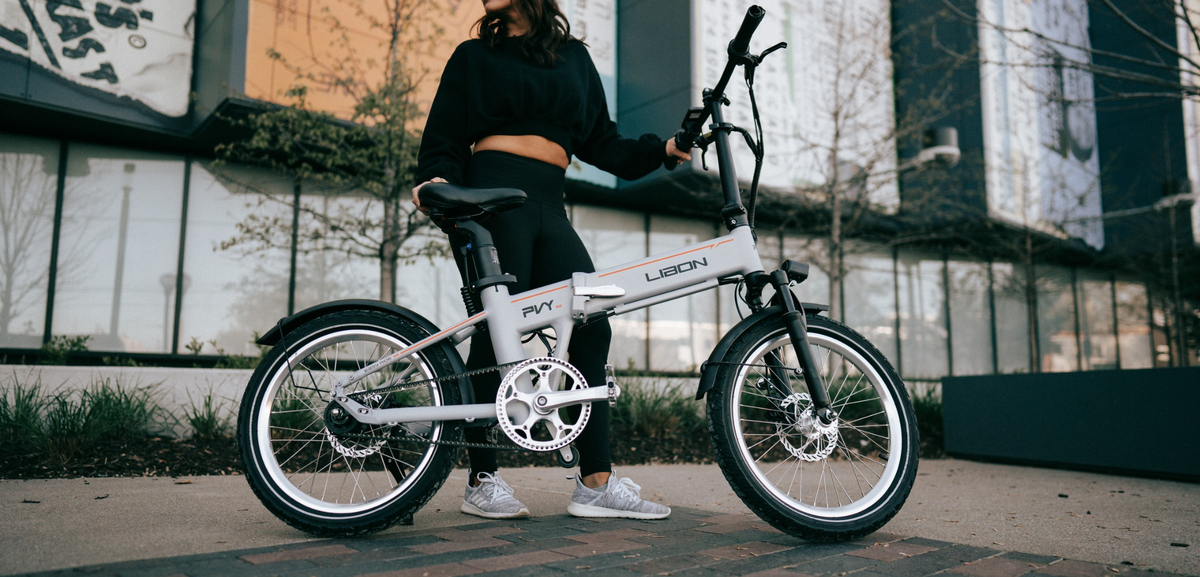
Choosing between a hardtail and a dual-suspension (full-suspension) e-bike comes down to a fundamental trade-off: efficiency versus comfort and control.
{"height":8,"color":{"hue":213,"brightness":0.83,"saturation":1,"alpha":0},"hidden":false,"locked":false,"blockName":"Spacer"}
In simple terms: if most of your riding is on smooth, paved roads and you prioritise light weight and efficiency, a hardtail will serve you well. But if you're drawn to more challenging terrain—and you value exceptional comfort and confident handling—dual suspension is the clear winner.
{"height":8,"color":{"hue":213,"brightness":0.83,"saturation":1,"alpha":0},"hidden":false,"locked":false,"blockName":"Spacer copy"}
Let's break down the differences so you can decide which is right for you.
{"height":8,"color":{"hue":213,"brightness":0.83,"saturation":1,"alpha":0},"hidden":false,"locked":false,"blockName":"Spacer copy copy"}
{"height":8,"color":{"hue":213,"brightness":0.83,"saturation":1,"alpha":0},"hidden":false,"locked":false,"blockName":"Spacer copy copy copy"}
Hardtail: Suspension only in the front fork. The rear wheel is rigidly connected to the frame. Simple, lighter, and more affordable.
{"height":8,"color":{"hue":213,"brightness":0.83,"saturation":1,"alpha":0},"hidden":false,"locked":false,"blockName":"Spacer copy copy copy copy"}
Dual Suspension / Full Suspension: Suspension in both the front fork and the rear (via a shock absorber and linkage). Provides full-body cushioning and superior traction.
{"height":8,"color":{"hue":213,"brightness":0.83,"saturation":1,"alpha":0},"hidden":false,"locked":false,"blockName":"Spacer copy copy copy copy copy"}
Hardtail vs. Dual Suspension: Head-to-Head
{"height":8,"color":{"hue":213,"brightness":0.83,"saturation":1,"alpha":0},"hidden":false,"locked":false,"blockName":"Spacer copy copy copy copy copy copy"}
|
Factor
|
Hardtail
|
Dual Suspension
|
| Comfort |
Lower – road vibrations transfer to your body |
Excellent – rear shock absorbs most impacts, reducing fatigue |
| Traction & Control |
Limited – rear wheel may lose contact on rough terrain |
Superior – rear wheel stays planted, providing stronger grip and stability |
| Best Terrain |
Smooth pavement, light gravel, XC trails |
Technical trails, rocky descents, rooty singletrack, downhill |
| Ride Feel |
Direct and responsive – "pure" pedalling feel |
Plush and composed – forgiving of rider errors, new-rider friendly |
| Weight |
Lighter (typically 1–2 kg less) |
Heavier (rear shock and linkage add weight) |
| Price |
Generally more affordable |
Generally more expensive |
| Maintenance |
Simpler, lower cost |
More complex – rear shock and pivot bearings need periodic service |
| Battery Range |
Better – less energy lost through suspension |
Slightly reduced – suspension movement absorbs some pedalling energy |
{"height":8,"color":{"hue":213,"brightness":0.83,"saturation":1,"alpha":0},"hidden":false,"locked":false,"blockName":"Spacer copy copy copy copy copy copy copy"}
{"height":8,"color":{"hue":213,"brightness":0.83,"saturation":1,"alpha":0},"hidden":false,"locked":false,"blockName":"Spacer copy copy copy copy copy copy copy copy"}
The Three Core Advantages of Dual Suspension
{"height":8,"color":{"hue":213,"brightness":0.83,"saturation":1,"alpha":0},"hidden":false,"locked":false,"blockName":"Spacer copy copy copy copy copy copy copy copy copy"}
1. Ultimate Comfort – Protect Your Body
{"height":8,"color":{"hue":213,"brightness":0.83,"saturation":1,"alpha":0},"hidden":false,"locked":false,"blockName":"Spacer copy copy copy copy copy copy copy copy copy copy"}
This is the most obvious benefit. A rear shock filters out bumps, roots, and potholes that would otherwise travel straight through your spine.
{"height":8,"color":{"hue":213,"brightness":0.83,"saturation":1,"alpha":0},"hidden":false,"locked":false,"blockName":"Spacer copy copy copy copy copy copy copy copy copy copy copy"}
Research shows that full-suspension systems reduce vertical impact forces by 20–25% compared to hardtails. That means less strain on your lower back, hips, and knees—especially valuable on long rides or for older riders with joint concerns.
{"height":8,"color":{"hue":213,"brightness":0.83,"saturation":1,"alpha":0},"hidden":false,"locked":false,"blockName":"Spacer copy copy copy copy copy copy copy copy copy copy copy copy"}
2. Superior Traction – Ride With Confidence
{"height":8,"color":{"hue":213,"brightness":0.83,"saturation":1,"alpha":0},"hidden":false,"locked":false,"blockName":"Spacer copy copy copy copy copy copy copy copy copy copy copy copy copy"}
On rough terrain, a hardtail's rear wheel can bounce off the ground, losing grip exactly when you need it most.
{"height":8,"color":{"hue":213,"brightness":0.83,"saturation":1,"alpha":0},"hidden":false,"locked":false,"blockName":"Spacer copy copy copy copy copy copy copy copy copy copy copy copy copy copy"}
A dual-suspension bike keeps the rear tyre pressed into the trail, maintaining traction through rocks, roots, and loose gravel. This translates to 30–40% more cornering and descending confidence—you'll feel the difference the moment you hit your first technical section.
{"height":8,"color":{"hue":213,"brightness":0.83,"saturation":1,"alpha":0},"hidden":false,"locked":false,"blockName":"Spacer copy copy copy copy copy copy copy copy copy copy copy copy copy copy copy"}
3. Reduced Fatigue – Ride Farther, Smile Longer
{"height":8,"color":{"hue":213,"brightness":0.83,"saturation":1,"alpha":0},"hidden":false,"locked":false,"blockName":"Spacer copy copy copy copy copy copy copy copy copy copy copy copy copy copy copy copy"}
Because the bike absorbs the impacts, your body doesn't have to tense up against every bump. Studies show that dual-suspension riders experience up to 25% less upper-body fatigue over long rides. You finish fresher, ready to go again tomorrow.
{"height":8,"color":{"hue":213,"brightness":0.83,"saturation":1,"alpha":0},"hidden":false,"locked":false,"blockName":"Spacer copy copy copy copy copy copy copy copy copy copy copy copy copy copy copy copy copy"}
Where Does a Hardtail Still Shine?
{"height":8,"color":{"hue":213,"brightness":0.83,"saturation":1,"alpha":0},"hidden":false,"locked":false,"blockName":"Spacer copy copy copy copy copy copy copy copy copy copy copy copy copy copy copy copy copy copy"}
Despite the advantages of dual suspension, hardtails remain a great choice for many riders:
{"height":8,"color":{"hue":213,"brightness":0.83,"saturation":1,"alpha":0},"hidden":false,"locked":false,"blockName":"Spacer copy copy copy copy copy copy copy copy copy copy copy copy copy copy copy copy copy copy copy"}
* Lighter weight – Simpler construction saves 1–2 kg (or more), making the bike easier to carry and accelerate.
{"height":8,"color":{"hue":213,"brightness":0.83,"saturation":1,"alpha":0},"hidden":false,"locked":false,"blockName":"Spacer copy copy copy copy copy copy copy copy copy copy copy copy copy copy copy copy copy copy copy copy"}
* Simpler maintenance – No rear shock or linkage pivots to clean, service, or replace.
{"height":8,"color":{"hue":213,"brightness":0.83,"saturation":1,"alpha":0},"hidden":false,"locked":false,"blockName":"Spacer copy copy copy copy copy copy copy copy copy copy copy copy copy copy copy copy copy copy copy copy copy"}
* Lower price – For the same component level, a hardtail costs significantly less.
{"height":8,"color":{"hue":213,"brightness":0.83,"saturation":1,"alpha":0},"hidden":false,"locked":false,"blockName":"Spacer copy copy copy copy copy copy copy copy copy copy copy copy copy copy copy copy copy copy copy copy copy copy"}
* Better pedalling efficiency – On smooth surfaces, every watt of pedalling power goes straight to forward motion, with no suspension "bobbing."
{"height":8,"color":{"hue":213,"brightness":0.83,"saturation":1,"alpha":0},"hidden":false,"locked":false,"blockName":"Spacer copy copy copy copy copy copy copy copy copy copy copy copy copy copy copy copy copy copy copy copy copy copy copy"}
{"height":8,"color":{"hue":213,"brightness":0.83,"saturation":1,"alpha":0},"hidden":false,"locked":false,"blockName":"Spacer copy copy copy copy copy copy copy copy copy copy copy copy copy copy copy copy copy copy copy copy copy copy copy copy"}
How to Choose: Ask Yourself These Questions
{"height":8,"color":{"hue":213,"brightness":0.83,"saturation":1,"alpha":0},"hidden":false,"locked":false,"blockName":"Spacer copy copy copy copy copy copy copy copy copy copy copy copy copy copy copy copy copy copy copy copy copy copy copy copy copy"}
| Choose a Hardtail If… |
Choose Dual Suspension If… |
| Most of your riding is on city streets, paved paths, or smooth gravel |
You plan to ride technical trails, forest singletrack, or rocky descents
|
| You prioritise light weight and efficiency |
You prioritise comfort, control, and reducing body fatigue
|
| You're on a tighter budget |
You have room in your budget for the added comfort |
| You enjoy a "pure" road-feel and don't mind some road vibration |
You want a bike that's forgiving of rider errors and inspires confidence
|
| Your rides are typically under 1 hour |
You regularly ride longer than 1 hour, especially on rough surfaces |
{"height":8,"color":{"hue":213,"brightness":0.83,"saturation":1,"alpha":0},"hidden":false,"locked":false,"blockName":"Spacer copy copy copy copy copy copy copy copy copy copy copy copy copy copy copy copy copy copy copy copy copy copy copy copy copy copy"}
PVY Models with Dual Suspension
{"height":8,"color":{"hue":213,"brightness":0.83,"saturation":1,"alpha":0},"hidden":false,"locked":false,"blockName":"Spacer copy copy copy copy copy copy copy copy copy copy copy copy copy copy copy copy copy copy copy copy copy copy copy copy copy copy copy"}
PVY has integrated dual-suspension technology across several models, offering riders a more comfortable experience without sacrificing portability.
{"height":8,"color":{"hue":213,"brightness":0.83,"saturation":1,"alpha":0},"hidden":false,"locked":false,"blockName":"Spacer copy copy copy copy copy copy copy copy copy copy copy copy copy copy copy copy copy copy copy copy copy copy copy copy copy copy copy copy"}
|
Model
|
Suspension Setup
|
Best For
|
| PVY Z20 PLUS |
80mm Lockable Shock Absorbing Fork+ Rear Mechanical Shock Absorber |
Urban commuters who encounter rough roads + light off-road adventures |
| PVY Z20 PLUS EVO |
80mm Adjustable Hydraulic Suspension with Lockou+ Rear Mechanical Shock Absorber |
Riders who want maximum comfort over mixed terrain |
| PVY Z20 MAX |
Dual suspension + torque sensor + hydraulic disc brakes |
Commuters who want a smooth ride over potholes and cobblestones |
{"height":8,"color":{"hue":213,"brightness":0.83,"saturation":1,"alpha":0},"hidden":false,"locked":false,"blockName":"Spacer copy copy copy copy copy copy copy copy copy copy copy copy copy copy copy copy copy copy copy copy copy copy copy copy copy copy copy copy copy"}
Final Verdict
{"height":8,"color":{"hue":213,"brightness":0.83,"saturation":1,"alpha":0},"hidden":false,"locked":false,"blockName":"Spacer copy copy copy copy copy copy copy copy copy copy copy copy copy copy copy copy copy copy copy copy copy copy copy copy copy copy copy copy copy copy"}
At the end of the day, dual suspension is about trading a little weight and efficiency for a lot of comfort, traction, and control. It's the choice that lets you tackle trails you'd otherwise avoid, ride longer without fatigue, and enjoy the journey more.
{"height":8,"color":{"hue":213,"brightness":0.83,"saturation":1,"alpha":0},"hidden":false,"locked":false,"blockName":"Spacer copy copy copy copy copy copy copy copy copy copy copy copy copy copy copy copy copy copy copy copy copy copy copy copy copy copy copy copy copy copy copy"}
A hardtail is like a reliable workhorse—simple, efficient, and honest.
{"height":8,"color":{"hue":213,"brightness":0.83,"saturation":1,"alpha":0},"hidden":false,"locked":false,"blockName":"Spacer copy copy copy copy copy copy copy copy copy copy copy copy copy copy copy copy copy copy copy copy copy copy copy copy copy copy copy copy copy copy copy copy"}
A dual-suspension e-bike is like a luxury SUV—it smooths out the bumps, keeps you comfortable, and inspires confidence wherever you point it.
{"height":8,"color":{"hue":213,"brightness":0.83,"saturation":1,"alpha":0},"hidden":false,"locked":false,"blockName":"Spacer copy copy copy copy copy copy copy copy copy copy copy copy copy copy copy copy copy copy copy copy copy copy copy copy copy copy copy copy copy copy copy copy copy"}
If your goal is to enjoy the ride itself, rather than just endure the road, dual suspension is an upgrade you'll feel on every single metre.